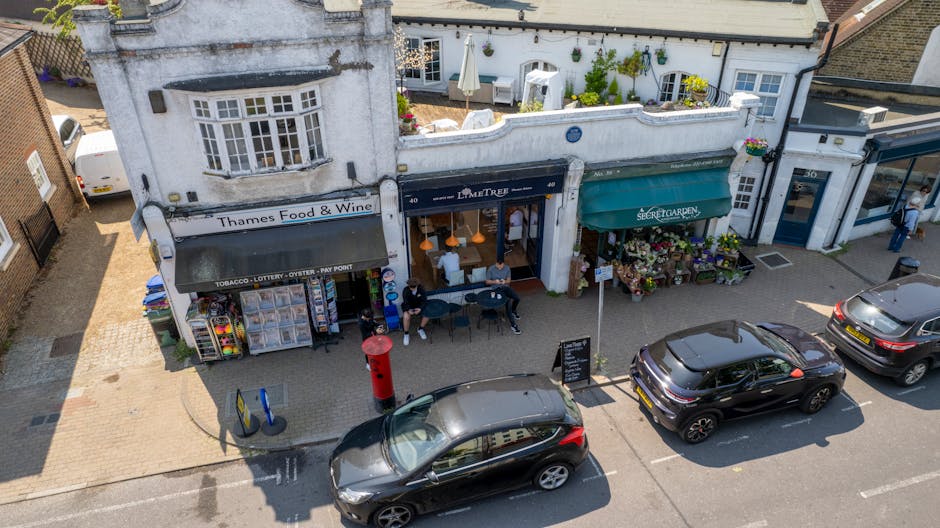
Surbiton flat removals access tips for narrow streets
Moving out of a flat in Surbiton can be deceptively tricky. The boxes are packed, the keys are ready, and then you remember the real challenge: tight roads, parked cars, awkward corners, and a van that suddenly feels twice its size. That is exactly where practical Surbiton flat removals access tips for narrow streets make all the difference. A smooth move is rarely about brute strength. It is about planning, timing, and knowing how to work with the street you have, not the one you wish you had.
In Surbiton, especially around older residential streets and apartment blocks, access can change everything. Can a removal van stop safely? Is there room to carry a sofa from door to vehicle without blocking traffic? Will the lift be usable, or will the team be dealing with stairs, a turn in the hallway, and a front door that only opens halfway? This guide walks through the practical stuff people often miss, so you can avoid stress, protect your belongings, and keep the day moving.
If you want a wider view of the services available before you book, it is worth reading the services overview and the page for flat removals in Kingston upon Thames, which is useful if you are comparing options for a nearby move. A little planning now saves a lot of shouting later. To be fair, that is usually the whole game.
Table of Contents
- Why access planning matters in narrow Surbiton streets
- How flat removals work when access is tight
- Key benefits and practical advantages
- Who this is for and when it makes sense
- Step-by-step guidance
- Expert tips for better results
- Common mistakes to avoid
- Tools, resources and recommendations
- Law, compliance, standards and best practice
- Options, methods and comparison table
- Case study or real-world example
- Practical checklist
- Conclusion
- Frequently asked questions
Why Surbiton flat removals access tips for narrow streets Matters
Narrow streets can turn an ordinary flat move into a puzzle. In Surbiton, you may be dealing with terraced roads, resident permit zones, busy school runs, and the kind of parked cars that make every manoeuvre feel delicate. One badly placed van can delay loading, annoy neighbours, and create unnecessary risk for your furniture and your team.
Access matters because removal work is physical, time-sensitive, and location-dependent. If the lorry cannot park close enough, everything takes longer. If there is no turning space, the driver may need a different vehicle. If the route from flat to van includes tight hallways, steps, or a shared entrance, you need a very different plan than you would for a ground-floor property with a private drive.
There is also a customer-experience side to this. Nobody wants a move day that drags on because a sofa cannot be angled through a doorway, or because the team has to keep repositioning a van while traffic builds behind it. Good access planning reduces friction. Simple as that.
For anyone moving a full household rather than just a few items, the same logic applies to broader home moves too. A useful starting point is the page on house removals in Kingston upon Thames, which helps show how access needs can shape the whole move. In narrow streets, details become the difference between a calm day and a chaotic one.
How Surbiton flat removals access tips for narrow streets Works
Access planning is really about reducing unknowns. First, you assess the property and the road outside it. Then you choose the right vehicle and equipment. After that, you decide how loading, parking, and carrying will happen in practice. That sounds obvious, but most move-day problems come from skipping one of those steps.
Here is the basic flow. A mover or customer checks the street width, parking availability, height restrictions, and any access obstacles such as bollards, gates, low branches, or one-way systems. The team then decides whether a standard van, smaller removal vehicle, or man and van setup is the best fit. If needed, you can split the move into smaller loads, pre-position boxes, or use a shuttle run from a wider parking area nearby.
The important thing is that access planning is not just about the van. It also includes the building itself. Does the flat have a lift? Is the staircase tight? Are there building rules for moving? Are there neighbours who need warning because of shared hallways or loading spaces? A move that is efficient on paper can still bog down if the inside route is awkward.
That is why services like man and van removals or a dedicated removal van service can be a better fit for some Surbiton flats than a larger lorry. Smaller vehicles can be easier to place on a narrow road, and that often matters more than people expect.
Key Benefits and Practical Advantages
Getting access right gives you more than convenience. It directly improves the quality of the move. A well-planned flat removal usually runs with less pressure, fewer delays, and fewer chances of accidental damage. And yes, your back will probably thank you too.
- Less loading time: When the van is close enough, furniture moves faster and carries are shorter.
- Lower damage risk: Fewer turns, fewer lifts, fewer chances to clip walls, banisters, or door frames.
- Better neighbour relations: Tight roads already create friction; a tidy loading plan helps keep things civil.
- Smarter vehicle choice: You avoid overbooking a vehicle that simply cannot work on the street.
- Reduced stress: A move feels much calmer when everyone knows where to park, load, and walk.
There is also a cost angle. Sometimes a smaller vehicle or a well-planned split load can be more efficient than sending a larger van and dealing with awkward manoeuvres. Other times, paying for the right equipment up front is cheaper than losing time. If you are comparing quotes, take a look at pricing and quotes so you can see how service choices affect the overall plan.
One practical advantage people do not always think about: good access planning can help keep your move within the time window you have with building management or parking restrictions. In narrow streets, time is not just money. It is also goodwill, patience, and a less sweaty afternoon.
Who This Is For and When It Makes Sense
This kind of planning is for anyone moving from a flat in Surbiton where the street is tight, parking is limited, or the property sits on a busy road. That includes top-floor flats, converted Victorian buildings, small apartment blocks, and newer developments with access controls or limited loading zones.
It makes especially good sense if:
- your road is too narrow for two vehicles to pass comfortably
- parking is permit-controlled or usually full by morning
- you have large furniture, fragile items, or a piano
- there is no lift, or the lift is too small for bulky items
- you are moving during a busy weekday or school run period
- you need a same-day or short-notice service
Students, first-time renters, and families often underestimate access issues because they focus on packing rather than logistics. That is normal. Truth be told, most people only notice a street is awkward when a van arrives and everyone suddenly starts doing the "where shall we put this?" dance.
If you are moving a lighter load, a smaller-scale service may be enough. The page for student removals is a useful example of how more compact moves can be handled efficiently when the route is tight and the schedule is fixed.
Step-by-Step Guidance
Here is a practical way to handle a flat move in a narrow Surbiton street without losing the plot.
- Measure the access points. Check the width of the road, the space outside your building, and the size of the entrance. Do not rely on memory. Stand outside and look properly.
- Identify loading options. Is there a safe place to stop briefly? Are there permit bays, single yellow lines, or a nearby side street that works better?
- Check internal routes. Look at the hallway, lift, stairwell, and corners inside the property. A sofa that fits through the front door may still snag at the top of the stairs.
- Choose the right vehicle. In some cases, a smaller van or man and van setup is better than a larger removals truck. Not glamorous, but practical.
- Plan the order of loading. Put the largest and heaviest items in first. Then fill gaps with boxes and soft items.
- Protect shared areas. Use door protectors, floor coverings, and corner padding where needed. It helps keep the building in good shape.
- Confirm timing. Avoid peak traffic if you can. Early morning often works better than late afternoon in busier pockets.
- Tell neighbours or building management. A simple heads-up can prevent a lot of grumbling, especially where parking space is tight.
A small but useful trick: take photos of the street and the access route before moving day. Send them to the removal team if needed. It sounds almost too basic, but it can save a lot of back-and-forth.
If your flat has bulky items such as wardrobes, tables, or delicate furniture, the page for furniture removals gives a useful sense of how specialist handling can support tighter access situations.
Expert Tips for Better Results
Most access issues can be softened by a few smart decisions. The goal is not perfection; it is making the day predictable enough that nothing feels improvised.
1. Treat the street like part of the job. It is not just a place the van happens to sit. The street is an active part of the move. If the van angle, kerb height, or turning space looks awkward, trust your instinct and rethink it.
2. Avoid the busiest windows. In areas like Surbiton, a half-hour can matter. A road that is fine at 8:00 a.m. may feel impossible by 9:00 a.m. because of commuters, deliveries, and residents leaving for the day.
3. Separate small items from large ones. If the van cannot park directly outside, you do not want to be carrying loose bits and bobs in panic. Keep hardware, documents, chargers, and essentials together in clearly marked bags.
4. Use protection early. Protecting walls and banisters after you have already scratched them is not much comfort. Set up the protection before the heavy lifting starts.
5. Build in buffer time. Narrow streets often introduce little pauses. Someone reverses, a neighbour arrives, a car is moved, a lift is delayed. Buffer time is not wasted time. It is sanity insurance.
And one more thing. If an item looks borderline too big to move safely, stop and assess it. Do not try to win a wrestling match with a wardrobe at the front door. Nobody looks heroic doing that. They just look tired.
For more background on how professional teams position themselves, the broader removal services page is useful, especially if you want to compare a full service with a smaller, more flexible option.
Common Mistakes to Avoid
Access problems usually come from avoidable assumptions. The biggest one is believing that the van will "just fit somewhere". Sometimes it will. Sometimes it will not, and the difference is a wasted morning.
- Assuming parking will be easy: Streets around flats can fill quickly, even on quiet days.
- Not checking height restrictions: Low trees, arches, or building features can rule out certain vehicles.
- Forgetting internal bottlenecks: A narrow staircase can be as limiting as a narrow road.
- Leaving packing too late: Poorly packed boxes slow the whole move and make carrying harder.
- Ignoring building rules: Some blocks expect notice, lift booking, or agreed loading periods.
- Choosing the wrong van size: Bigger is not always better. In tight streets, it can be a headache.
Another mistake is not sharing the full picture with the removals company. If you know the road is awkward, say so. If there is a sharp bend near your building, mention it. If the lift is out of service, say that as well. Honest detail helps the team plan properly.
When timing is tight, some people consider a same-day removals service. That can work, but only if the access plan is clear. Short notice and narrow streets can be an annoying combo, so the more precise you are, the better.
Tools, Resources and Recommendations
You do not need a van full of specialist gear to manage a flat move in a narrow street, but a few practical tools make life easier.
| Tool or resource | Why it helps | Best use |
|---|---|---|
| Measuring tape | Checks furniture and doorway clearances | Before move day, while planning access |
| Phone camera | Captures street layout and access obstacles | Sharing details with the removal team |
| Labels and marker pens | Speeds unloading when parking is limited | Boxes, bags, and priority items |
| Furniture blankets | Protects items during short carries | Large furniture and fragile surfaces |
| Door and floor protectors | Reduces damage in shared entrances | Flat blocks, stairwells, and hallways |
| Storage option | Gives you flexibility if access or timings are awkward | Staged moves and delayed completion dates |
For people who are not moving everything in one go, temporary storage can be a very sensible bridge. It is not flashy, but it can take the pressure off a tricky street move. If that sounds relevant, the storage in Kingston upon Thames page is a practical place to look.
If you are still collecting boxes and wrapping supplies, the page on packing and boxes is worth a visit. Better boxes make access issues easier because they move faster, stack cleaner, and are less likely to split halfway down the stairs. Which, frankly, nobody wants.
Law, Compliance, Standards and Best Practice
For most flat moves, the biggest compliance concerns are practical rather than legal drama. That said, a professional moving plan should respect parking restrictions, building rules, road safety, and general duty of care. In the UK, councils and property managers may have their own requirements around permits, loading bays, and access times, so it is wise to check locally rather than guess.
Best practice usually means:
- parking only where it is safe and permitted
- avoiding obstruction to emergency access, pavements, or neighbours
- following building-specific moving rules where they exist
- using proper handling methods for heavy or awkward items
- protecting shared property and keeping noise under control where reasonable
Insurance and safe handling matter too. If a move involves awkward access, the risk of scuffs or knocks can rise. You want a team that thinks ahead, uses the right equipment, and takes care with shared areas. The pages on insurance and safety and the health and safety policy are helpful trust points when you are comparing providers.
For people who care about how a company works behind the scenes, the about us page can also give you a better sense of the team you are dealing with. A move is personal. You want to know who is handling your stuff, not just how many vans they own.
Options, Methods, and Comparison Table
There is more than one way to move a flat in a narrow Surbiton street. The right method depends on how tight the access is, how much you are moving, and how much flexibility you have with timing.
| Method | Best for | Advantages | Limitations |
|---|---|---|---|
| Standard removal van | Moderate access and medium-to-large loads | Efficient, good capacity, fewer trips | May be hard to park or manoeuvre in very narrow streets |
| Man and van | Smaller flat moves or flexible schedules | Agile, easier on tight roads, often quicker to position | May need multiple trips for larger households |
| Smaller removal vehicle | Restricted access or awkward corners | Easier access, less street disruption | Lower capacity than a larger van |
| Shuttle loading from a nearby road | Severely limited parking outside the property | Works when the front door is inaccessible to larger vehicles | Takes more coordination and time |
| Split move with storage | Staged move or delayed entry into new home | Flexible, lowers pressure on move day | Requires additional planning and sometimes extra cost |
For a lot of Surbiton flat moves, the sweet spot is a smaller, well-organised vehicle with an experienced crew. That is especially true where parking is tight but not impossible. If you are weighing up vehicle size and hands-on help, the man with a van option can be a sensible comparison point.
Case Study or Real-World Example
Picture a second-floor flat on a narrow Surbiton street on a weekday morning. Parking is mostly taken, there is a bend just past the entrance, and the stairwell inside the building is just wide enough for furniture if everyone takes their time. Nothing extreme, but enough to make access planning essential.
In that kind of move, the team might do three things differently. First, they arrive earlier than the main traffic rush so the vehicle can be placed safely. Second, they use a smaller van rather than trying to force a larger one into a bad position. Third, they load bulky items first and keep the route through the building clear, with one person guiding and another carrying. Not glamorous. Very effective.
The result is usually less waiting, less carrying distance, and fewer moments where everyone is standing on the pavement with a wardrobe wondering if it has become part of the architecture. A bit of pre-planning changes the whole feel of the day.
If the move involves especially awkward items, such as a piano or a very heavy cabinet, specialist handling becomes even more relevant. The piano removals page is a good example of how careful handling supports tight access work, because some items simply need more control than standard lifting.
Practical Checklist
Use this simple checklist before moving day. It is not fancy, but it works.
- Confirm the moving date and likely arrival time
- Walk the street and note any parking restrictions
- Measure doorways, hallways, and stair turns
- Check whether the lift is available and book it if needed
- Tell neighbours or building management about the move
- Reserve or identify the best loading point
- Photograph any existing marks or tight spots in shared areas
- Pack fragile items and heavy items separately
- Label boxes clearly by room and priority
- Keep essentials, keys, and documents with you
- Discuss access details with the removal team in advance
- Have a backup plan if the front of the building is blocked
That last one matters more than people think. Streets do not always cooperate. A refuse truck appears, a delivery van stops in the wrong place, someone returns from the shops at the exact wrong moment. It happens. A backup plan keeps the day from going sideways.
Conclusion
Narrow streets do not have to make a flat move miserable. With the right access checks, sensible vehicle choice, clear communication, and a bit of local awareness, a Surbiton removal can be far smoother than people expect. The trick is to treat access as part of the job from the start, not as a detail to sort out later.
Whether you are moving a student flat, a long-term home, or a property full of awkward furniture, the same idea holds true: plan the route, choose the right support, and leave room for the odd surprise. That way, the day feels controlled rather than frantic. And honestly, that makes all the difference.
If you are ready to talk through your move, compare options, or check what kind of vehicle and service fits your street best, it is a good time to get in touch with the team via the contact page.
Get a free quote today and see how much you can save.
Frequently Asked Questions
How do I know if my Surbiton street is too narrow for a removal van?
If parked vehicles, bends, and kerbs leave little room for manoeuvring, treat the street as restricted access. A site visit, photos, or a quick call with the removals team usually clarifies whether a larger van is realistic or whether a smaller vehicle is safer.
What is the best vehicle for flat removals on a narrow road?
It depends on the load and the road layout. For many flats, a smaller removal van or man and van setup is easier to position and less disruptive. Larger vehicles can still work, but only if parking and turning space are genuinely available.
Should I reserve parking for my removal van?
If the area is permit-controlled or regularly busy, yes, it is worth checking whether a loading bay, permit arrangement, or nearby stopping point is needed. Always verify local rules rather than assuming you can just stop outside.
How early should I start planning access for a flat move?
As soon as your moving date is likely. Even a few days of planning helps. For tighter streets, earlier is better because you can assess parking, building access, and any restrictions without rushing.
What should I tell the removal company about my building?
Tell them about the floor level, lift availability, stair width, parking restrictions, controlled entry systems, and any especially large items. The more accurate the information, the easier it is to choose the right service and vehicle.
Can I still move if the van cannot park right outside the flat?
Usually yes. The team may use a nearby side street, a short carry route, or a shuttle approach from a safer stopping point. It can take longer, but it is often manageable with good planning.
Is a man and van service enough for a Surbiton flat move?
Often, yes, especially for smaller flats or tighter streets. It is a flexible option when access is awkward and the volume is not huge. For larger loads, a more structured removals service may be better.
What can I do to make loading faster on move day?
Pack boxes well, label them clearly, disassemble furniture where possible, and keep a clear route from the flat to the vehicle. If the van is parked a little way off, organisation matters even more.
Do I need special protection for shared hallways and stairwells?
It is strongly recommended. Floor coverings, corner protection, and care around doors and banisters help reduce damage in shared spaces. That is good manners and good practice.
What if I need to store some items because access is difficult?
Storage can be a smart part of the plan if you are staging the move, waiting for keys, or reducing the load on a tight street. Short-term storage gives you flexibility and can make the moving day much easier.
How do I avoid delays on the day itself?
Confirm the arrival window, keep access instructions clear, and have parking or building details ready before the team arrives. A few small preparations save a lot of waiting around at the kerb.
Are there any safety issues I should think about with narrow street removals?
Yes. Tight access increases the chance of trips, slips, and accidental knocks, so safe lifting, good communication, and proper equipment matter. A professional approach should always put safety first, even when the street is busy and everyone is in a hurry.