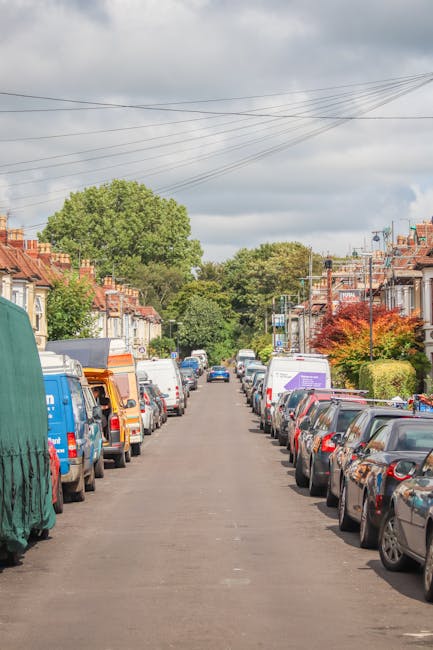
Kingston Council parking rules for moving vans: a practical guide for stress-free moving day
If you are planning a move in Kingston upon Thames, parking can become the part of the day that causes the most hassle. The van arrives, the sofa is too big for the hallway, the street is narrow, and suddenly you are trying to work out where the driver can stop without upsetting neighbours or picking up a penalty. That is exactly why understanding Kingston Council parking rules for moving vans matters before moving day, not after the van is already outside.
This guide breaks the subject down in plain English. You will find out how parking for removals and moving vans usually works, what to check with the council, how to reduce the risk of delays, and what practical steps make the whole process smoother. We will also cover common mistakes, a simple checklist, and the kind of real-world details that can save you a very long morning. Let's face it, nobody wants to be juggling boxes while a traffic warden is eyeing the kerb.
For a broader look at planning your move, you may also find the company's home moves and man with van pages useful when comparing service options.
Why Kingston Council parking rules for moving vans matters
Moving vans are not like everyday cars. They are longer, wider, slower to manoeuvre, and often need to stop close to a front door for loading and unloading. In Kingston, that can intersect with controlled parking zones, waiting restrictions, residents' bays, permit areas, yellow lines, and the simple reality that some streets are just not built for easy stopping. If you ignore the rules, you may end up paying extra, losing time, or making the move harder than it needs to be.
There is also a people side to this. A van blocking a driveway, or sitting across a narrow road with hazard lights on for too long, can create tension quickly. A little planning avoids that awkward knock on the window from a neighbour who has already had a difficult morning. Small thing, big difference.
Understanding the parking picture is especially important if you are moving from a flat, handling a last-minute relocation, or arranging a larger vehicle such as a removal truck hire or moving truck. The bigger the vehicle, the more care you need around access and stopping space.
Expert summary: The safest approach is to treat parking as part of the move plan, not a side issue. Check the street, understand whether restrictions apply, allow time for loading, and build in a backup option. That one habit removes a surprising amount of stress.
How Kingston Council parking rules for moving vans works
In practical terms, parking rules for moving vans in Kingston usually depend on where the vehicle needs to stop, how long it will stay there, and what restrictions apply on that specific street. The council may regulate parking through permits, paid parking bays, loading rules, time-limited restrictions, or suspended spaces. Different streets can have very different conditions, even within a short walk. That part catches people out all the time.
For a move, the key question is not simply "can a van park here?" It is "can the van stop here legally long enough to load or unload without causing a problem?" That distinction matters. A short stop for active loading is not always treated the same as casual parking, but you should never assume that loading automatically makes every location acceptable. Keep an eye on signs, road markings, and any local restrictions that may apply.
If you are using a smaller vehicle, a removal van or man and van service may give you a little more flexibility on tighter streets. That said, smaller does not mean exempt from restrictions. It just means the manoeuvring is usually easier.
What usually affects whether a van can stop
- Controlled parking zones and permit-only streets
- Single or double yellow lines
- Residents' bays and shared-use bays
- Loading-only bays or loading restrictions
- Time limits for stopping or waiting
- Suspensions for roadworks, events, or special arrangements
- Access issues such as narrow lanes, low trees, or busy school-run traffic
For many households, a smaller team and vehicle is enough. For others, especially a full household relocation, it makes more sense to compare broader removals options or even house removals if there is bulky furniture and multiple rooms to shift.
Key benefits and practical advantages
Following the parking rules properly does more than keep you on the right side of enforcement. It makes the whole moving day cleaner, calmer, and quicker. That sounds obvious, but in real life it is the difference between a smooth handover and a domino effect of delays.
- Less risk of penalties: You reduce the chance of fines, warnings, or being forced to move the vehicle mid-load.
- Better timing: A legal parking plan means the team can keep carrying items instead of stopping every few minutes to reposition.
- Safer lifting: Shorter carry distances usually mean less strain on people and less chance of dropping something expensive.
- Less neighbour friction: A tidy, lawful setup is much easier for everyone living on the street.
- Better for fragile items: If you are moving awkward pieces such as a piano or large wardrobes, good access helps protect the item and the property. Services like piano removals and furniture removals often depend heavily on decent parking and access.
There is another advantage people overlook: confidence. When the parking side is sorted, you can focus on the practical details that actually move the job forward. You stop worrying about whether the van is in the wrong place and start concentrating on the boxes, the keys, and the handover. Much nicer.
Who this is for and when it makes sense
This guidance is useful if you are:
- moving house in Kingston upon Thames
- moving from a flat with limited street access
- booking a man-with-a-van or a larger removal vehicle
- trying to load furniture from a busy residential street
- planning a commercial relocation where the vehicle may need to stop outside an office or shop
- co-ordinating student moves, same-day moves, or short-notice jobs
If you are a tenant, parking may affect both your move-out and move-in day, which can be a bit of a headache if the times do not line up perfectly. If you are managing a business relocation, the impact can be broader because staff, deliveries, and building access may all be involved. In those cases, comparing office removals with commercial moves can help you choose the right level of support.
It also makes sense if you are doing a leaner move and want to avoid overcomplicating it. A smaller load, a shorter distance, and a sensible parking plan can make a man with a van arrangement a very practical choice. No drama, just the right-sized vehicle.
Step-by-step guidance
If you want to keep moving day orderly, do this in sequence. It is not flashy, but it works.
- Check the street first. Walk the route from the nearest sensible stopping point to the property. Look for yellow lines, bay markings, signs, height restrictions, and places where a van would block access.
- Work out the vehicle size. A small van, a medium van, or a lorry changes what is realistic. If you are unsure, ask the mover what dimensions they use and whether they expect curbside access.
- Note the busiest times. School drop-off, commuter traffic, and delivery windows can all make stopping harder. If your move is flexible, avoid the worst rush where possible.
- Think about loading time. A boxy one-bedroom flat may be quick. A family house full of furniture, packing materials, and awkward items is another matter entirely. Give yourself breathing room.
- Confirm whether a permit or suspension is needed. Do not guess. If the street usually requires permission for loading or parking, check the council requirements early so there is time to sort it out.
- Plan a backup position. If your preferred space is taken, know where the driver can legally wait nearby. That one backup option can save the whole morning.
- Tell everyone the plan. The driver, the person holding the keys, and anyone helping with the move should know where the van is expected to stop.
In practice, the best moves tend to be the ones where someone has already done the quiet work beforehand. It is rarely the shiny packing that causes trouble; it is the kerbside chaos.
If you are still preparing the contents of the move, the pages for packing and boxes and packing and unpacking services can help you think through the logistics in a more organised way.
Expert tips for better results
After enough moving days, a pattern starts to emerge: the winning jobs are usually the ones where the parking is boring. And boring is good. Boring means legal, predictable, and not causing anybody a headache.
- Choose the shortest sensible carry distance. A legal spot ten metres closer to the door is often better than a "perfect" spot that is not actually allowed.
- Use cones or a helper only where lawful and appropriate. Do not try to claim space informally if restrictions do not allow it. That tends to backfire.
- Load the essentials last. Keep keys, documents, phone chargers, kettle supplies, and basic tools easy to reach. You do not want to unpack half the van just to find the door keys.
- Protect the property as much as the goods. A narrow entrance, a low wall, or a parked car opposite the house can create damage risk. Careful steering matters.
- Build in time for the unexpected. Someone may still be in your intended bay, a lift may be slow, or a neighbour may need access. Give the day a little slack.
One small but useful habit: photograph the street, the signs, and the van position once you have parked legally. It is not about being dramatic; it is just a simple record in case anyone questions where the vehicle was and why. Very ordinary, very sensible.
If the move is large or time-sensitive, a more experienced team from the local area can help reduce the number of moving parts. You can review the company's removal services alongside same day removals if your timing is tight. And yes, sometimes the clock is the main challenge.
Common mistakes to avoid
A lot of parking problems come from simple assumptions. The trouble is, moving day is already a busy day, so those assumptions go unchecked. Here are the ones we see most often.
- Assuming loading means you can stop anywhere. Not always true. Loading may be tolerated in some places and restricted in others.
- Only checking the destination. The collection address matters too. You may have a legal unloading spot at one end and a nightmare at the other.
- Forgetting about the actual size of the vehicle. A van that seems fine on paper can still be awkward if the road is narrow or the turning space is tight.
- Not building in time. If the van cannot stop immediately, the whole day can start sliding. Then everything feels rushed.
- Leaving the parking issue until the morning of the move. That is the one that really bites. By then, your options are narrower.
- Overlooking building rules. Flats, managed blocks, and some commercial premises may have their own access rules on top of council parking controls.
Truth be told, most of these mistakes are avoidable with a five-minute walk and a proper conversation before the move. Not glamorous, but very effective.
Tools, resources and recommendations
You do not need a complicated toolkit to manage parking for a move. What you need is a decent bit of preparation and a few practical items. The best setup is often quite simple.
- A printed move-day plan with addresses, times, contact numbers, and the agreed parking spot
- Photos of the street layout so the driver can see access points before arriving
- Tape, labels, and a marker pen so the loading order stays organised
- A rough floor-plan or room list if boxes need to go into specific rooms quickly
- A spare contact number in case the driver cannot reach the main organiser immediately
For wider moving support, it can help to look at a local removal company's own policies and service pages. The pages for insurance and safety, health and safety policy, and pricing and quotes are especially useful if you want to understand how the job is managed, what the service includes, and how risk is handled.
If you are moving anything that is awkward, heavy, or valuable, those details matter. A good mover will not treat access as an afterthought. They will want to know the street, the parking, and the door-to-van distance before the job begins. That is just good practice.
Law, compliance, standards, or best practice
Parking rules are ultimately governed by the local restrictions in place on the street, and those can change from one road to the next. Because of that, the safest approach is to treat any council-controlled parking area with care and to follow the signs and markings that apply at the location. Do not rely on habit, because what worked on one Kingston street may not work on another, even if they are only a few minutes apart.
Best practice for moving vans usually includes:
- checking restriction signs before stopping
- keeping access clear for emergency services and neighbours
- using a vehicle size that matches the street conditions
- allowing reasonable time for loading and unloading
- co-ordinating with the property owner, tenant, or building manager where needed
For commercial work, compliance can become more layered. A business move may involve loading bays, time windows, building management rules, and safety obligations for staff and contractors. That is why an organised provider will often talk through access at the same time as they discuss the move itself. If you are arranging a business relocation, browsing office relocation services can help you see how that broader planning fits together.
The main point is simple: follow the local restrictions, plan conservatively, and do not assume a quick stop is automatically safe or allowed. That may sound cautious. It is. And on moving day, cautious usually saves money.
Options, methods, or comparison table
There is no single best parking method for every move. The right choice depends on the property, the street, the volume of furniture, and how long loading will take. Here is a simple comparison to help you think it through.
| Parking / access approach | Best for | Pros | Watch-outs |
|---|---|---|---|
| Kerbside stop close to the door | Smaller domestic moves with straightforward access | Fast loading, shorter carrying distance | May be restricted by signs, permits, or yellow lines |
| Short-distance legal parking nearby | Narrow streets and busier roads | More flexible if the exact frontage is unavailable | Longer carry, more time needed |
| Pre-arranged bay or suspension | Moves where access is tight or predictable space is required | Clearer planning, fewer surprises | Needs more preparation and confirmation |
| Smaller van instead of a larger truck | Flat moves, student moves, lighter loads | Easier manoeuvring, better for tight roads | May require more trips if the load is large |
If you are deciding between vehicle types, a smaller setup may work best for a flat or a light household move, while a larger vehicle may be better for a full-property relocation. The company's flat removals and student removals pages may be helpful if that sounds like your situation.
Case study or real-world example
Picture a typical Kingston morning. A two-bedroom flat move is booked for early afternoon. The street is residential, parking is limited, and there are already a few cars sitting neatly along one side of the road. The first instinct is to hope for the best and pull up right outside. But after a quick look, it is clear that the bay directly outside is permit-controlled during the relevant hours.
Instead of forcing the issue, the mover parks in the nearest lawful space a short walk away and keeps the loading route clear. The organiser has already packed the essentials in separate boxes, the larger furniture is protected, and the driver knows which items are going first. The result? No scrambling, no awkward apologies to neighbours, and no waiting around while someone tries to decide whether the van can stay where it is.
That kind of move sounds almost too ordinary to mention. Exactly. Ordinary is what you want on moving day. A bit of drizzle outside, a kettle box ready for the new kitchen, doors opening and closing, the sound of tape tearing off a roll. Not exciting. Just efficient.
For larger or more specialised moves, the same principle applies. Whether you are arranging house removalists, a removal truck hire, or even storage during a staged move, parking and access shape the whole experience.
Practical checklist
Use this before the van arrives. You will thank yourself later.
- Confirm the exact moving address and postcode
- Walk the street and check parking signs and markings
- Decide where the van can legally stop
- Check whether a permit, bay use, or suspension is needed
- Tell the mover about narrow roads, low branches, gates, or steps
- Make sure someone is available to meet the van
- Keep keys, documents, and essentials separate
- Protect hallways, door frames, and floors where needed
- Allow extra time for loading and unforeseen delays
- Keep a backup plan in case the preferred space is taken
If you are still comparing moving help, services like removal companies and man with a van can give you a sense of the level of support that suits your move and parking situation.
Get a free quote today and see how much you can save.
Conclusion
Kingston Council parking rules for moving vans are not something to leave until the last minute. The right parking plan can cut stress, protect your belongings, keep the move on schedule, and stop small issues turning into expensive ones. That is true whether you are moving from a studio flat, a family house, or a workplace that needs careful access planning.
The best approach is straightforward: check the street, respect the restrictions, choose the right vehicle size, and build in time for the unexpected. Do that, and moving day becomes much more manageable. Not perfect, perhaps. But manageable, and that is a win in anyone's book.
If you want to plan the wider move with a bit more confidence, services such as storage and house removals can also help you match the logistics to your timetable. Slow is not the goal. Smooth is.
Frequently Asked Questions
Do moving vans need a permit in Kingston?
Sometimes, yes. It depends on the street, the parking zone, and how long the vehicle needs to stop. In some places, loading may be possible without a permit; in others, you may need permission or a different arrangement. Always check the local restrictions for the exact location.
Can a moving van stop on yellow lines while loading?
Not automatically. Some restrictions may allow loading in limited circumstances, while others may not. The signs, road markings, and local rules matter. It is safer to confirm the exact conditions before the move rather than assume loading is enough on its own.
What if the van cannot park outside my house?
Use the nearest legal stopping point and plan for the extra carry distance. Many moves are still perfectly manageable this way. It is better to walk a few extra metres than to risk a fine or block the road. A good mover will normally adapt to that.
Are parking rules different for a man and van service?
The rules themselves are the same, but the smaller vehicle may be easier to place in a tight space. That can help on narrow Kingston streets, though it does not remove the need to obey the signs and restrictions.
How far in advance should I check parking for moving day?
Ideally several days ahead, and earlier if you suspect the street is busy or heavily restricted. A quick walk-through close to the move date is useful too, because parking conditions can change and bays can fill quickly.
What is the safest vehicle for a narrow Kingston street?
Usually the smallest vehicle that can still carry the load efficiently. A smaller van can be easier to manoeuvre and park, but if the job is large enough that it needs multiple trips, a larger vehicle might still be more practical. It depends on the balance of access and load size.
Can I save a space with cones or a friend?
Only if that is lawful and allowed in the area. Do not try to claim a parking space by improvising if the local rules do not permit it. That can cause conflict very quickly, and it may not hold if restrictions apply.
What should I tell the removal company before the move?
Tell them the street layout, any restrictions, the vehicle size you expect, the access at both ends of the move, and whether there are stairs, lifts, or tight turns. The more practical detail you give, the easier it is for them to plan safely.
Do flat removals need different parking planning?
Often, yes. Flats can mean longer carry distances, shared entrances, and less convenient stopping points. If the building has managed access, it is worth checking the rules early. Flat moves are often where parking planning matters most.
What is the biggest mistake people make with moving van parking?
Leaving it until the day itself. That is usually when stress starts. If you inspect the street, check the restrictions, and agree a backup plan beforehand, the move becomes much less chaotic. Simple, but true.
Is storage useful if parking is difficult on moving day?
It can be. If access is awkward or you are moving in stages, storage may help break the move into smaller parts. That can reduce pressure on parking and timing, especially if the new property is not ready all at once.
How do I choose between a larger van and a smaller one?
Think about load size, street access, and the time available. A larger vehicle may carry everything in one go, but a smaller one may be easier to park legally and safely. The best choice is the one that fits both the furniture and the street.